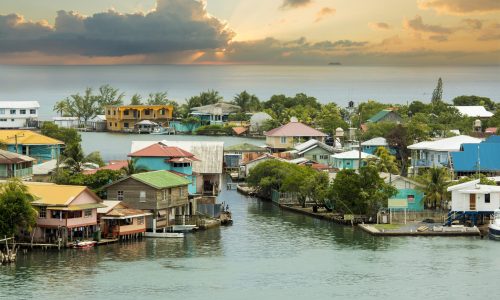
About this course
This module provides a general introduction to coastal and marine water pollution and water quality monitoring, with a strong regional focus on the Wider Caribbean Region. It builds on the High-Level Course on Marine and Coastal Water Quality Management and serves as a foundation for more technical modules that follow. It offers an overview of the Cartagena Convention and its relevance to regional pollution control, explains how coastal and marine water bodies are classified, and introduces the main sources and types of pollution affecting the region. You will also learn the basic principles of water quality monitoring and how to design a simple monitoring program in line with regional standards and best practices.
Learning Objective
After completing this course, participants should be able to explain the regional context of coastal and marine water pollution, identify key water quality parameters and pollution sources, and describe the basic elements required to design a simple water quality monitoring programme aligned with regional standards and best practices.
Curriculum
- 6 Sections
- 4 Lessons
- 2 Hours
- Welcome1
- Introduction to coastal and marine water pollution1
- Key sources and pollutants1
- How to design a Water Quality Program1
- Quiz1
- Survey1
Instructor
My professional journey is grounded in a commitment to understand and address human impacts on marine ecosystems. With a background in marine ecology and hands-on experience in fieldwork, data analysis, and international collaboration, I work to bridge scientific knowledge with practical solutions to environmental challenges, particularly those linked to pollution and marine litter.