Courses
Monitoring and Evaluation of Water Quality Monitoring
This course covers the monitoring and evaluation of water quality monitoring program, elements on designing long-term monitoring, and cost elements of water quality monitoring.
Communication of Findings
This introductory module equips participants with the basic knowledge to effectively communicate water quality monitoring results to diverse audiences, stakeholders, and the public.
Sampling Design, Production of Information, and Data Management
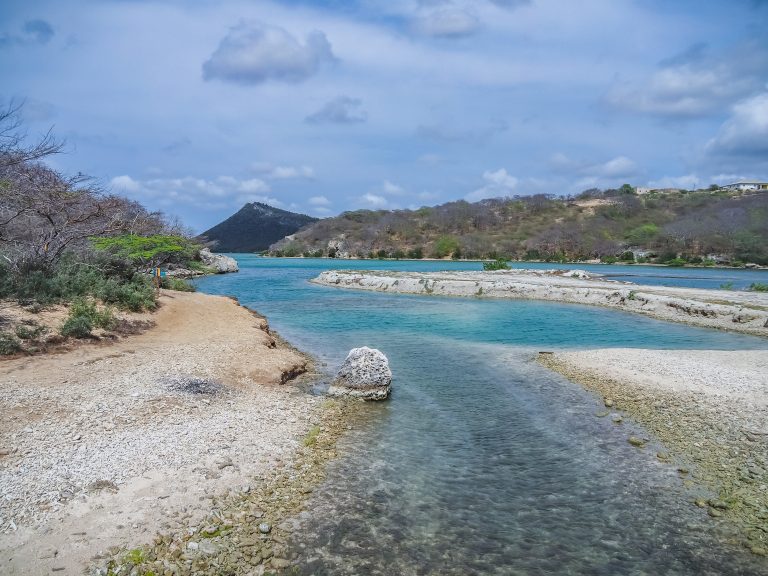
This course will give the fundamentals of sampling design, production of information, and data management in the water quality monitoring programme.
Water Quality Parameters and Monitoring Design
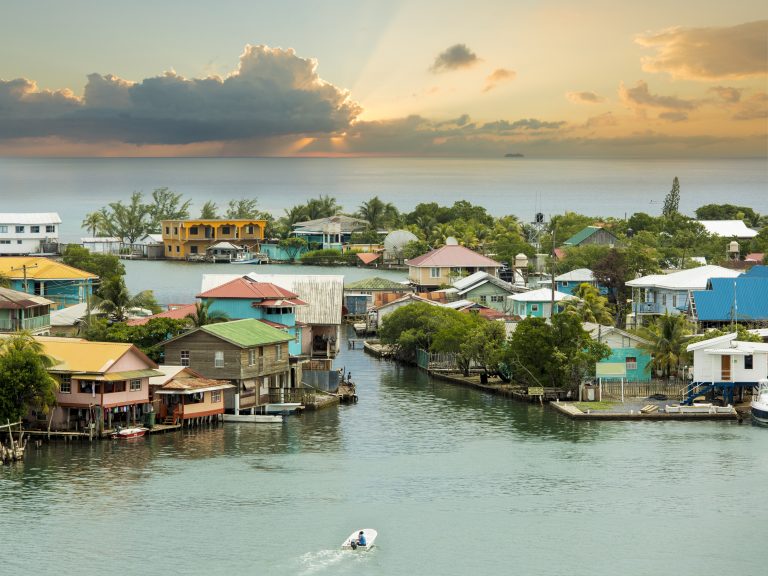
This course provides a general introduction to coastal and marine water pollution in the Wider Caribbean Region and steps to design a water quality monitoring programme.

Learning and Connecting through Visual Communication
About this course: Participants are invited to explore drawing, symbols,…
Exploring the Unknown Ocean: Science, Innovation and Careers
This course looks to the future of Namibia’s ocean. Learners explore why much of the ocean remains unexplored, how science, technology and innovation are expanding knowledge, and what this means for sustainable development. The course also introduces the wide range of ocean-related careers and the importance of exploring and using the ocean within ecological limits.
Content, structure and learning activities are provisional and may be refined prior to release.
-
People and the Ocean: Culture, Livelihoods and Governance
This course examines the deep and complex connections between people and the ocean in Namibia. Topics include indigenous knowledge and cultural heritage, fisheries, ports, tourism and marine industries. Learners explore human impacts such as overfishing and pollution, alongside governance, stewardship and pathways towards more sustainable ocean use.
Content, structure and learning activities are provisional and may be refined prior to release.
-
Biodiversity and Ecosystems of Namibia’s Ocean
This course explores the diversity of life in Namibia’s ocean, from microscopic organisms to large marine mammals. Learners examine food webs, ecosystem dynamics, species adaptations and the unique characteristics of upwelling-driven systems. Coastal, open-ocean and deep-sea ecosystems are used to illustrate how biodiversity supports ecological and economic resilience.
Content, structure and learning activities are provisional and may be refined prior to release.
-
The Ocean Makes Life Possible
This course focuses on the ocean’s role in making Earth habitable. Learners examine oxygen production, phytoplankton, blue carbon habitats and nutrient cycles, using Namibian examples such as kelp forests and seabird-derived nutrients. The course highlights the ocean’s central role in climate regulation and long-term human wellbeing.
Content, structure and learning activities are provisional and may be refined prior to release.
-
Ocean, Weather and Climate in Southern Africa
This course explains how the ocean regulates weather and climate, with a focus on Namibia’s arid conditions. Learners explore energy, water and carbon cycles, the role of ocean currents, fog formation, droughts and extreme events such as storm surges. Regional comparisons help clarify why neighbouring countries experience very different climates.
Content, structure and learning activities are provisional and may be refined prior to release.
-
One Ocean, Many Features: Namibia’s Ocean Systems
This course explores Namibia’s ocean as part of a single, interconnected global ocean. Learners examine ocean basins, currents, upwelling systems and geological features such as the Benguela Current and Walvis Ridge. The course highlights how physical ocean processes shape productivity, fisheries and coastal vulnerability.
Content, structure and learning activities are provisional and may be refined prior to release.
-
Introduction to Ocean Literacy in Namibia
The course is based on the Ocean Literacy Toolkit for Namibia and has been developed as part of the NIMPA+ project, which supports marine protection, ocean literacy and sustainable livelihoods around the Namibian Islands’ Marine Protected Area.
Learn more about the project at https://nimpaplus.com.Content, structure and learning activities are provisional and may be refined prior to release.
Community Based Storytelling
This course is expected to examine how community voices, local knowledge, and storytelling can support understanding and stewardship of blue carbon ecosystems. Topics may include participatory approaches, ethics, and narrative methods grounded in place and lived experience. Content is indicative and may evolve.
-
Effective Communication Methods
This course focuses on communicating blue carbon science and practice clearly and responsibly to different audiences. You can expect to explore framing, messaging, and practical communication techniques for policy, technical, and public contexts. The final structure and examples are subject to development.
-
Data and mapping studio
This course is expected to introduce practical data and mapping workflows for blue carbon and coastal ecosystems, including spatial data, basic analysis, and visualisation. It may combine hands-on exercises with discussion of how maps and data support decision-making. Tools and examples are provisional and may change.
-
Safeguards, and verification
This course is likely to explore environmental and social safeguards relevant to blue carbon initiatives, including risk management, verification processes, and accountability. You can expect attention to governance, equity, and avoiding unintended impacts alongside carbon outcomes. Course content is tentative and may be adjusted during development.
-
Baselines, change detection
This course is expected to focus on establishing baselines and detecting change over time in blue carbon ecosystems. Topics may include reference conditions, monitoring design, remote sensing, and interpreting trends for management and reporting. The exact scope and methods covered may change as the course is finalised.
-
Field and lab methods (MRV)
This course is expected to cover practical approaches to measuring, reporting, and verifying blue carbon, including field sampling, laboratory analysis, and data quality considerations. It will likely introduce commonly used methods, strengths and limitations, and emerging tools used in blue carbon assessments. Content is indicative and subject to refinement.
-
Blue Carbon Foundations
This course introduces the core concepts of blue carbon, including mangroves, seagrasses, and tidal wetlands, and their role in climate mitigation, biodiversity, and livelihoods. You can expect to explore why these ecosystems matter, how blue carbon fits within climate and ocean policy, and how science, governance, and communities intersect. Content and focus are tentative and may evolve as the course is developed.
Introduction to Marine and Coastal Water Quality Management
This course aims to empower participants with a comprehensive understanding of water quality, with a focus on its importance in the Caribbean region.